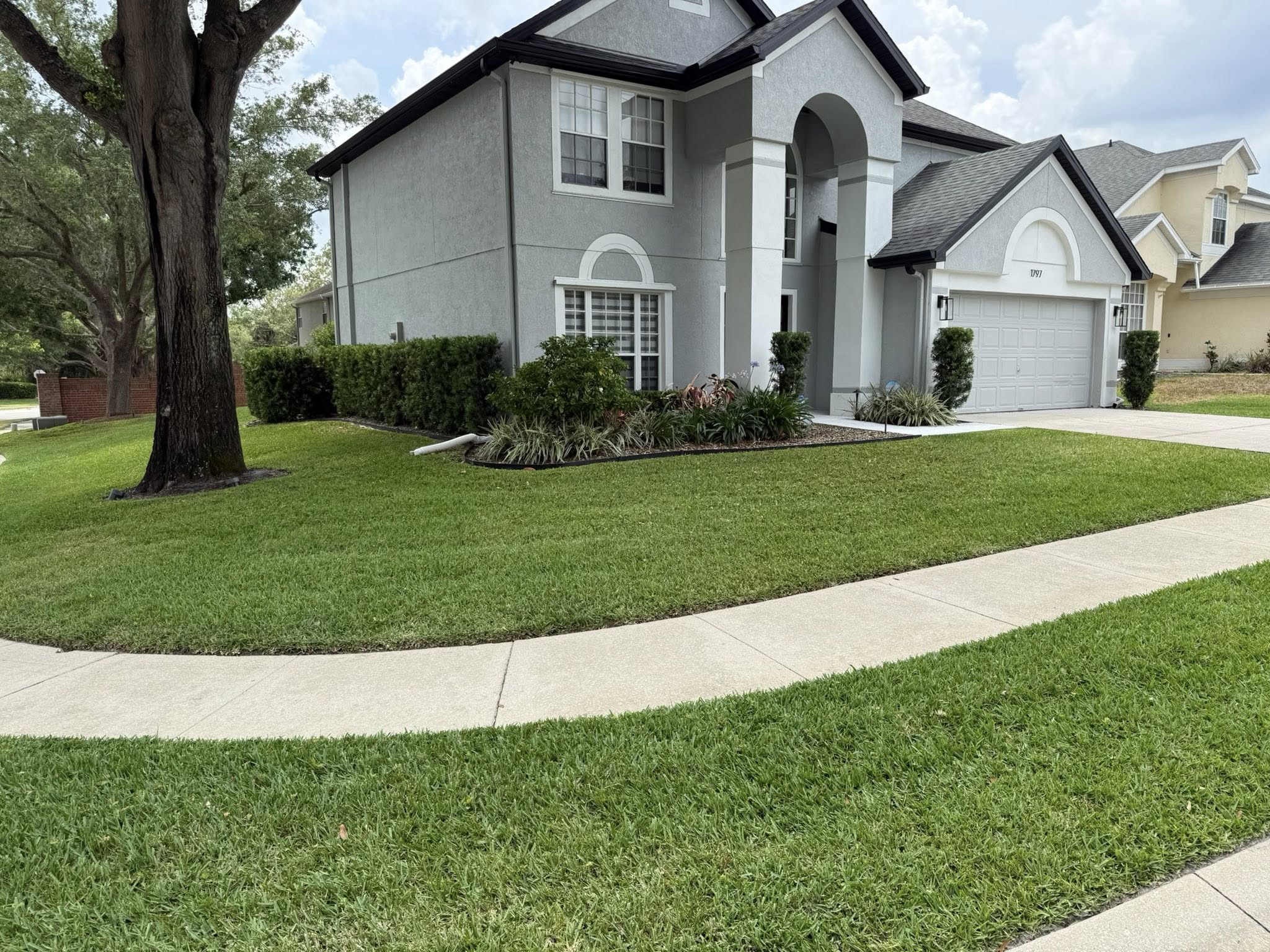
Sustainable Landscaping Practices: Eco-Friendly Choices for Your Lawn and Garden Dec 03, 2025
Sustainable landscaping is all about making choices that minimize environmental impact, conserve resources, and encourage the growth of healthy, biodiverse ecosystems. A straightforward way to start is by choosing native plants for your garden. Native plants are naturally adapted to the local climate and soil conditions, which means they require less water, fertilizers, and pesticides. This not only saves you time and money but also supports local wildlife, providing food and habitat for pollinators like bees and butterflies.
Water conservation is another critical aspect of sustainable landscaping. Implementing a smart irrigation system or even using drip irrigation can significantly reduce water usage. Drip irrigation delivers water directly to the plant roots, minimizing evaporation and runoff. Additionally, consider harvesting rainwater and using it to water your garden. Rain barrels or other rainwater collection systems can be an excellent investment for those looking to make the most of natural precipitation.
Composting is another fantastic eco-friendly practice to incorporate into your garden care routine. Instead of sending kitchen scraps and yard waste to the landfill, turn them into nutrient-rich compost. Composting not only reduces waste but also improves soil health, providing essential nutrients for your plants. This practice helps maintain a balanced ecosystem in your garden by encouraging beneficial microorganisms and earthworms.
Mulching is a simple yet effective way to enhance the sustainability of your landscaping efforts. By covering your garden beds with organic mulch, you can suppress weeds, retain moisture in the soil, and regulate soil temperature. Over time, the mulch breaks down and enriches the soil, further minimizing the need for chemical fertilizers.
Creating a biodiversity-friendly lawn involves more than just a sea of green grass. Consider introducing wildflower patches or even clover within your lawn. These not only add visual interest but also support pollinators and require less maintenance than traditional lawns. Reducing the size of your lawn or exchanging it for more garden beds filled with native plants can further decrease water usage and chemical inputs.
Finally, consider using eco-friendly landscaping materials. Choose permeable paving solutions like gravel or permeable concrete for hardscaping projects. These materials allow rainwater to filter through the ground, replenishing groundwater supplies and reducing stormwater runoff. Additionally, reusing materials such as bricks, stones, or wood from old projects can significantly cut down on waste.
At Amerigrown Tree and Lawn, we're passionate about helping our clients implement sustainable landscaping practices that create beautiful, eco-friendly yards. Whether you're starting small with a few native plants or completely overhauling your lawn, every step towards sustainability makes a difference. By embracing these practices, you not only enhance the natural beauty of your property but also play a vital role in preserving our planet for future generations. Join us in making eco-friendly choices that benefit your home and the environment.
/filters:no_upscale()/filters:format(webp)/media/8ea52fa2-af60-4563-96bc-82de200b3b15.jpeg)