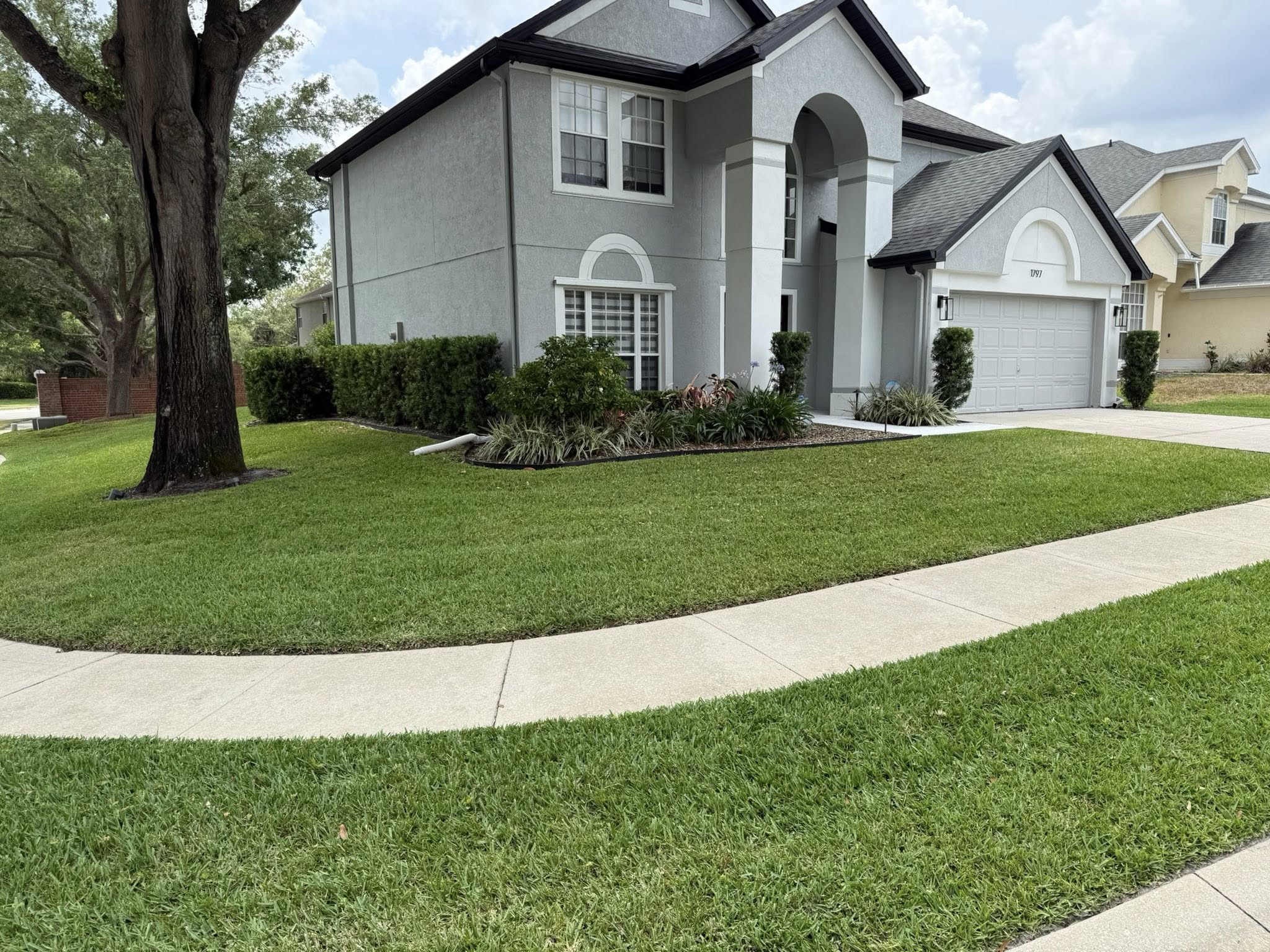
Garden Harmony: Designing Landscapes That Complement Your Home's Architecture Feb 11, 2026
The first step in achieving garden harmony is to consider the architectural style of your home. Whether your home boasts a modern aesthetic, a classic colonial, or a cozy cottage feel, the design of your landscape should echo this theme. For instance, if you have a modern house characterized by clean lines and minimalism, opt for a landscape design that features sleek hardscaping materials like concrete or metal. Incorporate geometric shapes in your plant beds and choose a restrained color palette for your flora to maintain that modern edge.
On the other hand, homes with traditional or historical styles may benefit from a more natural landscape approach. Curved pathways, Heritage roses, boxwood hedges, and a variety of perennials can create a lush, vintage atmosphere that complements older architecture. Consider using natural stone for hardscaping to further enhance this traditional look.
Next, think about scale and proportion, two critical elements of a cohesive landscape design. The size of your plants, trees, and garden features should be in proportion to your home. For example, a small, compact house might be overwhelmed by towering trees, whereas a grand estate could appear dwarfed without substantial landscaping features. Balancing elements will ensure that no part of your design feels out of place.
Another integral part of landscape design is the choice of materials. Consistent use of materials across your home and garden can create a unified look. If your home features brick exteriors, you might consider incorporating brick elements in your garden, such as in walls or pathways. Similarly, if wood is a defining material of your home, a wooden deck or fence can make the transition from home to garden feel seamless.
Color plays an equally significant role in unifying home and landscape. When planning your garden, choose plants that reflect or complement the color scheme of your home. This integration can tie the house and garden together, creating an aesthetically pleasing view. It might mean choosing flowers that match the trim color of your home or selecting pots and planters that align with your exterior accents.
Finally, don't underestimate the power of personalization. Your landscape should reflect not only the style of your home but also your personal taste. Think about incorporating elements that are meaningful to you, whether that's through specific plant choices, unique garden art, or a dedicated space for outdoor activities you enjoy.
Achieving garden harmony is not just about choosing the right plants or materials; it's about creating an outdoor space that feels like a natural extension of your home. By focusing on architectural coherence, scale, material consistency, color coordination, and personal touches, your landscape can become a seamless continuation of your living environment.
At Amerigrown Tree And Lawn, we are committed to helping you realize your vision of a harmonious garden. Our expertise in both landscaping and hardscaping ensures that every element of your outdoor space complements and enhances the beauty and style of your home. Reach out to us today to start designing a landscape that's uniquely yours.
/filters:no_upscale()/filters:format(webp)/media/8ea52fa2-af60-4563-96bc-82de200b3b15.jpeg)