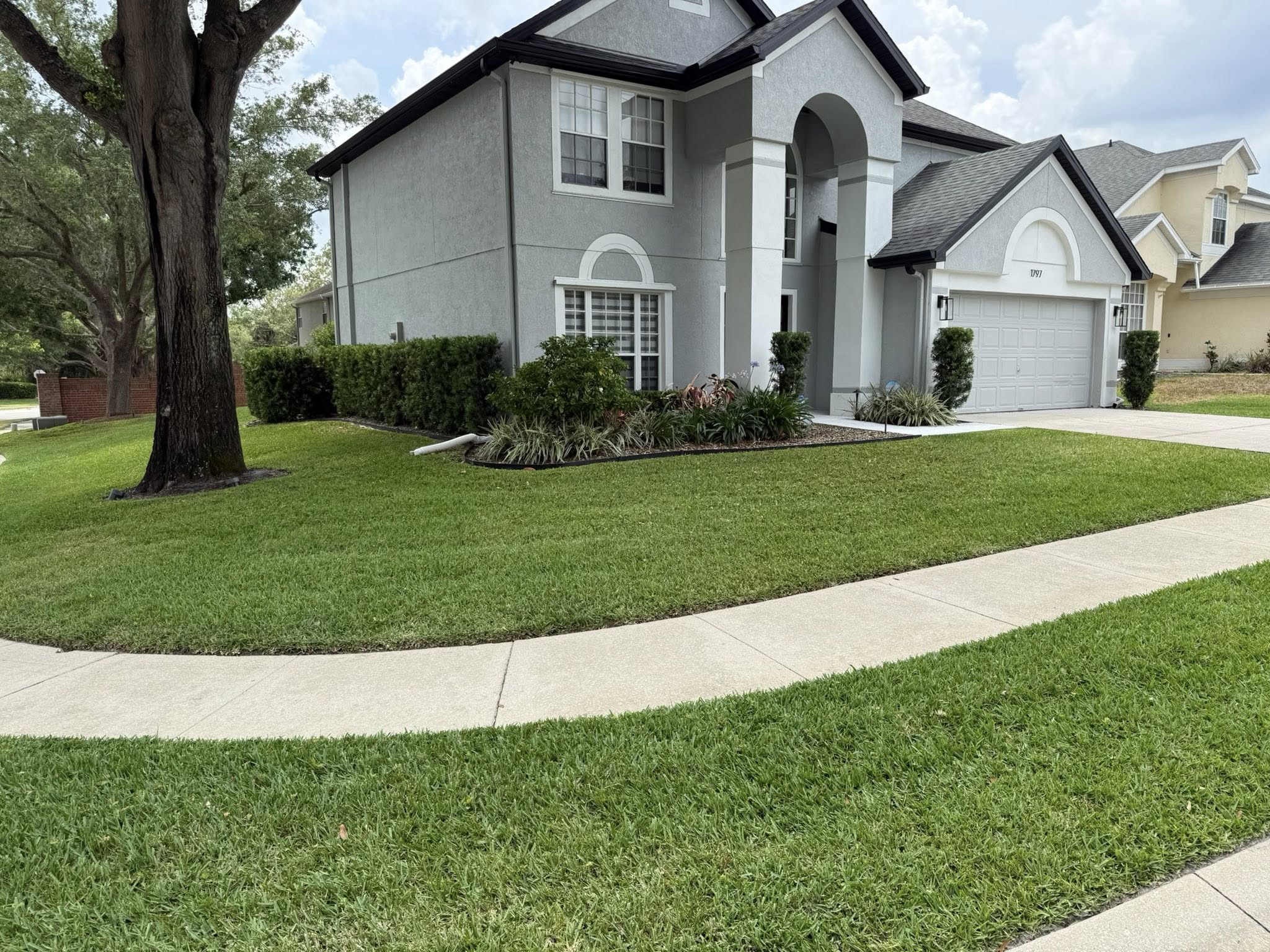
Eco-Lawns: Transitioning to Environmentally Conscious Lawn Solutions Apr 16, 2026
An eco-lawn strives to minimize water usage, reduce the need for chemical inputs, and support biodiversity. Gone are the days of obsessively manicured lawns that require excessive watering and application of synthetic fertilizers. Eco-lawns are the future, providing a lush, green expanse that is both environmentally friendly and easy to maintain.
One of the fundamental components of creating an eco-lawn is selecting the right type of grass or ground cover. Opting for native grasses is a savvy choice because these species are well-adapted to the local climate and soil conditions. Their resilience means they can thrive without demanding high quantities of water or fertilizers. In addition, native plants attract and support local wildlife, promoting biodiversity right in your backyard.
Moreover, incorporating a variety of ground covers, such as clover or a low-maintenance mix of fescues, can enhance soil health, increase nitrogen levels naturally, and prevent erosion. These ground covers not only add texture and visual appeal to your lawn but also require less mowing due to their slower growth rates.
Another aspect integral to eco-lawns is sustainable watering practices. Implementing water-efficient irrigation systems, such as drip irrigation or soaker hoses, ensures that your lawn receives adequate moisture without wastage. Additionally, adjusting watering schedules to early mornings or late evenings minimizes evaporation, thus maximizing hydration and conserving water.
Organic fertilization is another vital component of a thriving eco-lawn. Synthetic fertilizers, while effective, can lead to nutrient runoff and soil degradation over time. Instead, consider using compost, bone meal, or other organic fertilizers that enrich the soil naturally and sustainably. These organic alternatives not only feed the lawn but also enhance the soil structure, promoting healthier root systems and greater resistance to pests and diseases.
Another innovative practice for transitioning to an eco-lawn is the concept of lawn cycling or leaving grass clippings on the lawn to decompose naturally. This process recycles nutrients back into the soil, reducing the need for additional fertilizers and contributing to a more self-sustaining lawn. Plus, it saves time and effort compared to traditional bagging and disposal.
In conclusion, the shift towards eco-lawns represents a holistic approach to lawn care, fostering environmental stewardship while also providing practical benefits. By selecting native plants, optimizing watering systems, embracing organic fertilization, and recycling lawn clippings, you can maintain a beautiful, resilient, and environmentally conscious lawn.
At Amerigrown Tree and Lawn, we are committed to helping you transition to these sustainable practices. Our expertise in landscaping and hardscaping ensures that your outdoor spaces not only look great but also contribute to a healthier planet. If you are ready to make the switch to an eco-friendly lawn, contact us today for personalized advice and service. Embrace the change, and let’s grow sustainably together.
/filters:no_upscale()/filters:format(webp)/media/8ea52fa2-af60-4563-96bc-82de200b3b15.jpeg)